Installing glass doors requires specific hardware to ensure stability and safety. Understanding what hardware is needed for glass door installation is crucial for achieving a successful setup. According to industry reports, improper installation can lead to 30% increased risk of accidents. Quality hardware significantly reduces such risks, promoting safer environments.
Common hardware includes hinges, clamps, and tracks. Each piece must be compatible with the glass type used. For instance, tempered glass requires sturdy anchors to hold its weight. Many installers overlook the importance of using corrosion-resistant materials. This can lead to hardware failure, especially in humid areas.
Many assume that any standard hardware works. However, not all components are created equal. Selecting the correct hardware enhances both aesthetic appeal and functionality. It also impacts door longevity. Research shows that using appropriate hardware can extend the lifespan of glass doors by up to 50%. Investing time to choose the right materials pays off in safety and durability.
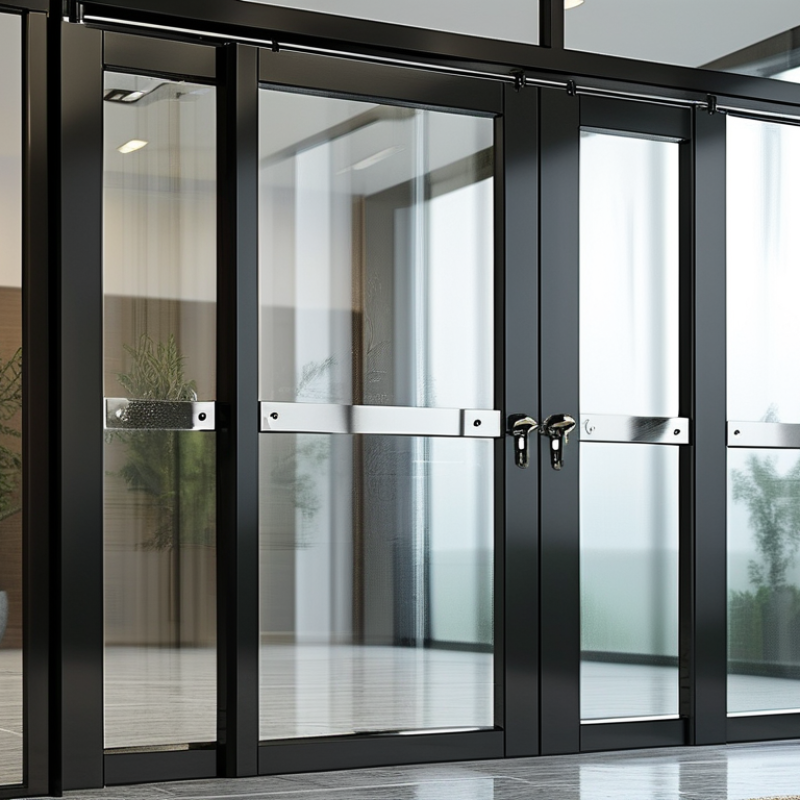
When installing a glass door, having the right tools is essential for a smooth process. Key tools include a level, which ensures that the door is correctly aligned. A measuring tape is also vital to get precise dimensions. Accuracy impacts the door's fit and operation. Improper measurements can lead to gaps or difficulties in closing.
Drilling tools are crucial, especially for securing hinges. A quality drill with the appropriate bits can make a significant difference. It’s important to select bits designed for glass or metal, depending on the frame. Furthermore, a suction cup can aid in maneuvering heavy glass panels. It helps prevent slips, ensuring safety.
Safety gear should not be overlooked. Wearing gloves and goggles protects against sharp edges and debris. Experience shows that neglecting safety can lead to injuries. Tools and safety precautions go hand in hand in achieving the best results. Installing a glass door might seem straightforward, but the right tools make it easier. Each tool plays a role in the overall success of the installation.
When choosing the right glass for your door, it's essential to consider several factors. The type of glass can significantly impact both safety and aesthetics. According to recent industry reports, tempered glass is commonly preferred because it is four to five times stronger than standard glass. This makes it ideal for areas with high traffic or exposure to potential hazards. However, some might overlook the need for laminated glass, which provides additional security and sound insulation.
Different applications necessitate different glass types. For instance, clear glass offers transparency, while frosted glass enhances privacy. A survey conducted by the Glass Association indicated that 70% of homeowners prioritize safety and privacy in their glass door selection. If you’re after energy efficiency, insulated glass units are worth considering. They help regulate indoor temperatures, contributing to energy savings.
Many installations fail because the chosen glass does not suit the intended environment. It’s crucial to assess factors like UV exposure and weather conditions. A recent study concluded that improperly chosen glass can lead to increased maintenance costs. Paying attention to these details can improve the longevity and functionality of your glass doors. Moreover, stay informed about local building codes and regulations as they can vary significantly.
When considering glass door installation, choosing the right hardware is crucial for functionality and safety. Hinges are among the most vital components. Heavy-duty hinges can support the weight of glass doors, ensuring smooth operation. They come in various designs and finishes. Selecting the right style can enhance the door's aesthetic appeal. Proper installation of hinges is essential. Misalignment can cause doors to sag or not close properly.
Handles are another key aspect. They not only provide functionality but also contribute to the overall look. Finger pulls or handles should be selected based on the door's design and usage. The material of the handle is important; it must resist wear and tear while offering a secure grip. Some installations might require additional supplies, like screws, spacers, and sealants. These items ensure a secure fit and help prevent water intrusion.
Some common mistakes occur during installation. Skipping proper measurements can lead to poor fitting doors. Inappropriate hinge selection might cause future issues. It’s vital to review all hardware components before installation. Consulting with professionals can help avoid these mistakes. Taking the time to choose and install the right hardware ensures the glass door will function effectively for years.
| Hardware Component | Material | Size/Specifications | Purpose |
|---|---|---|---|
| Hinges | Stainless Steel | 4" x 3" | Supports door movement |
| Handles | Brass | 6" Length | Allows opening and closing |
| Glass Clips | Plastic | 1" Size | Secures glass panels |
| Locks | Zinc Alloy | Standard Size | Provides security |
| Seals | Rubber | Various Sizes | Minimizes air and water leaks |
When it comes to glass door installation, safety should always be a priority. Protective gear is essential. According to the Occupational Safety and Health Administration (OSHA), falls and cuts are major risks in construction tasks involving glass. A staggering 30% of injuries arise from handling large sheets without proper protection.
Wearing gloves protects against sharp edges. Safety goggles shield your eyes from glass dust. Proper footwear with non-slip soles offers stability during installation. Research indicates that workers using personal protective equipment (PPE) reduce injury risk by 25%. Many installers overlook this necessity, thinking it wastes time. Yet, the reality is that safety gear extends work life and prevents costly accidents.
Another aspect to consider is the psychological benefit of wearing protective gear. Workers feel more secure, which increases focus and efficiency. Skipping PPE can lead to distractions, increasing the likelihood of mistakes. Casual attitudes towards safety may seem harmless, but they often lead to regrets. Prioritizing safety through protective measures not only ensures individual well-being but contributes to a culture of safety within the installation community.
Installing a glass door can elevate your space, but the process requires precision. Start by ensuring you have the right tools and the necessary materials. A level and measuring tape are critical. A drill and a screw set tailored for the specific hardware are essential. Remember, proper installation hinges on accurate measurements. Mistakes can lead to misalignment and future issues.
When you're ready to install, begin by marking the positions for your hinges and handles on the frame. This step demands careful attention; even a slight miscalculation can complicate installation. As you attach the hardware, take time to secure each piece firmly. Rushing through can result in unstable fittings or even damage to the glass. After everything is in place, check for proper alignment again. Adjust where necessary to ensure a smooth and functional operation. Although the process seems straightforward, it can be easy to overlook mundane details, which could lead to more significant challenges down the line.
: Tempered glass is often preferred for its strength and safety, being four to five times stronger than standard glass.
Laminated glass adds security and sound insulation, which are often overlooked in door selections.
Clear glass offers transparency while frosted glass enhances privacy for users and their spaces.
Insulated glass units help regulate indoor temperatures and contribute to energy savings.
Failing to choose appropriate glass type or skipping proper measurements can lead to costly issues later.
Choosing the right hinges and handles ensures functionality and supports the glass door’s weight.
A level, measuring tape, drill, and appropriate screws are crucial for proper installation.
Carefully marking positions and securely attaching hardware prevents misalignments and operational issues.
Reevaluating and adjusting the installation can mitigate future challenges, though it may require additional work.
Overlooking small details can lead to bigger problems later on, affecting both aesthetics and functionality.
When considering what hardware is needed for glass door installation, it is essential to have a comprehensive understanding of both the tools and materials required. Essential tools for this installation include drills, screwdrivers, levelers, and safety equipment. Choosing the right glass type is crucial, as different doors may require specific glass materials that offer both aesthetics and durability.
Key hardware components such as hinges, handles, and other supplies play a pivotal role in the functionality and security of the glass door. Safety measures, including the use of protective gear, are vital throughout the installation process to prevent injuries. Following a detailed step-by-step guide for proper setup not only ensures a successful installation but also enhances the longevity of the door. By considering these factors, one can effectively prepare for a glass door installation.

Nova Glass Door