How to Design Modern Glass Door Systems for Global Buyers?

Time:2026-06-07 Author:Liam
0%

Designing modern glass door systems requires a blend of aesthetics, functionality, and innovation. John Smith, a leading expert in architectural design, states, "The right glass door system can transform a space, but it needs to serve a purpose." This insight emphasizes the importance of balancing beauty with practicality in design.

When considering how to design modern glass door systems, attention to detail is crucial. The choice of materials, hardware, and design should align with the user's needs. For instance, energy efficiency and safety features are essential components that cannot be overlooked. Buyers want solutions that meet global standards.

It's important to reflect on the unique challenges of designing glass doors. Each project may require different specifications, and understanding the market is vital. Trends evolve, and maintaining relevancy means continuous learning and adaptation. Building a relationship with global buyers will guide the design process effectively, leading to systems that reflect both modern needs and timeless elegance.
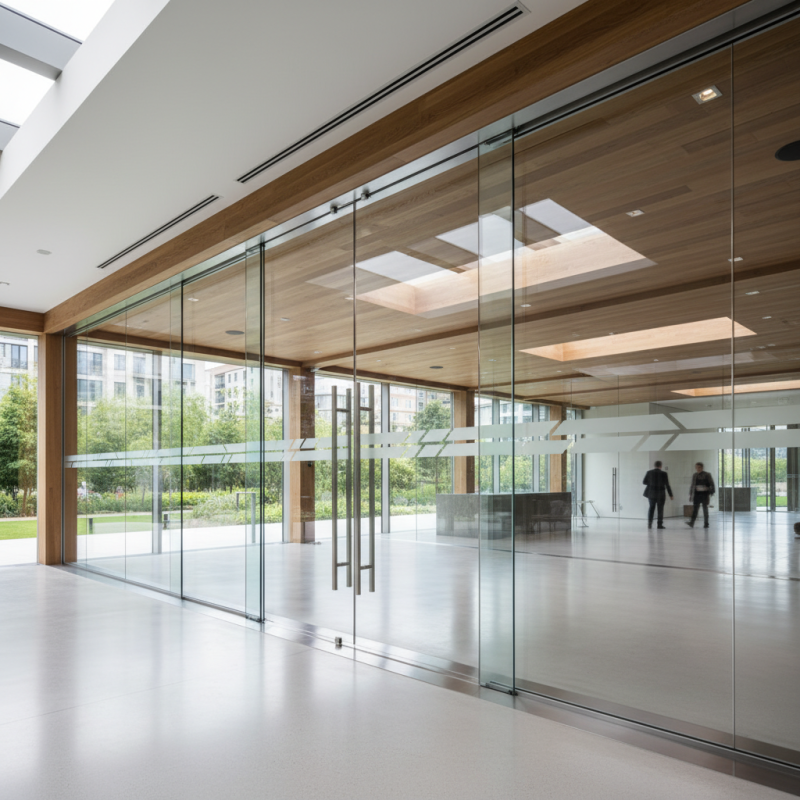
How to Design Modern Glass Door Systems for Global Buyers?

Understanding Global Demand for Modern Glass Door Systems

The global demand for modern glass door systems is steadily rising. According to a recent market analysis by Grand View Research, the glass door market is projected to grow at a compound annual growth rate (CAGR) of 7.6% from 2021 to 2028. This growth reflects a shift towards more aesthetically pleasing and functional architectural solutions in both residential and commercial sectors.

Designers face challenges when meeting diverse customer preferences. Regional variations affect style and functionality requirements. For example, buyers in North America often prefer larger, more elaborate systems, while European markets may favor minimalist designs. Data from Statista shows that European architectural trends increasingly lean towards simplicity and sustainability. These factors influence how industry players approach their design strategies.

Moreover, sustainability remains a critical theme. Reports indicate that environmentally friendly materials are gaining traction. Energy efficiency ratings have become essential criteria for consumers. However, balancing design and functionality while meeting these standards can be complex. Many companies struggle to integrate eco-friendly materials without compromising durability. These reflections highlight the importance of ongoing innovation in glass door system design.

Key Design Elements in Modern Glass Door Systems

Designing modern glass door systems requires an understanding of key design elements that appeal to a global market. Clarity and simplicity are crucial. Glass should be crystal clear, allowing natural light to flow. Frame materials like aluminum or steel stand out, providing necessary support without overwhelming the design. Options for frameless glass doors create clean lines. This minimalist approach is often preferred in contemporary spaces.

Functionality cannot be overlooked. Secure locks and easy-to-use handles play a vital role. Systems must also cater to diverse climates. Thermal performance is essential for insulation. Consideration for safety is critical, especially in high-traffic areas. Safety glass is a popular choice, reducing the risk of injury.

Aesthetic choices also matter. Texture, tint, and finishes can enhance appearance. Different styles cater to various tastes. However, overthinking these elements can lead to cluttered designs. Constant reflection and adaptation to market trends keep designs relevant. Striking the right balance between beauty and utility defines modern glass door systems.

Materials and Technology for High-Quality Glass Doors

When designing modern glass door systems, selecting the right materials is crucial. High-quality glass is often tempered or laminated. Tempered glass offers strength and safety when broken, while laminated glass adds security with its interlayer. These materials enhance durability and aesthetic appeal. Consider incorporating low-emissivity coatings to improve energy efficiency. This technology can significantly reduce heat loss while maximising natural light.

In addition to glass, the framing material also impacts performance. Aluminum and stainless steel are popular choices for their strength and resistance to corrosion. Aluminum can be lightweight, offering a sleek look. However, it may not provide as much insulation as other materials. Steel, while heavier, can withstand harsher conditions. Finding a balance between aesthetics and functionality can be challenging.

Technology plays a role in smart glass applications. Switchable glass, for instance, can change from transparent to opaque. This offers versatility in design and privacy. The integration of sensors can enhance user experience but can also raise concerns about reliability. It's wise to weigh the pros and cons of these technologies to ensure they meet your specific requirements.

Adapting Glass Door Designs for Various Climate Conditions

Designing modern glass door systems requires careful consideration of climate conditions. Different regions experience extreme weather fluctuations. These variations affect thermal performance and overall durability. According to a report by the Glass Association, nearly 40% of energy loss in buildings occurs through doors and windows. This statistic highlights the need for effective insulation and material choices.

For colder climates, double or triple-pane glass systems are recommended. They provide greater insulation, reducing heat loss. Additionally, low-emissivity (Low-E) coatings can reflect heat back indoors. This technology is essential for energy-efficient design. Conversely, in warmer climates, glass doors must prioritize UV protection and heat reflection. Solar control glass can minimize interior heat buildup.

Rain and humidity impact glass door longevity. Using corrosion-resistant frames is vital in these environments. Some designs currently fail to address these issues adequately. Regular maintenance is necessary, yet many installations overlook this aspect. Attention to local climate conditions ensures that glass door systems remain functional. Therefore, understanding geographical nuances is crucial for designers.

Compliance with International Standards and Regulations in Design

Designing modern glass door systems requires careful consideration of international standards and regulations. Global buyers prioritize compliance to ensure safety and functionality. Regulatory frameworks differ across regions, affecting materials, installation, and performance criteria.

When designing, factor in local building codes. Guidelines may dictate the types of glass used or structural integrity criteria. Researching each target market's regulations is essential. Non-compliance can lead to costly redesigns or project delays.

Tips: Always consult with local authorities. Engaging with experienced contractors can help identify potential pitfalls. Regularly review updated regulations to stay informed about changes.

Customization is key. A design that works in one country may not fit others. Be adaptable and open to modifications. Rely on expert feedback to refine your designs. Testing prototypes against regional standards can reveal hidden issues early. Design with a willingness to iterate. Each market presents unique challenges that require thoughtful solutions.

Global Glass Door System Compliance by Region

This chart displays the compliance rates of modern glass door systems across different regions globally. Compliance rates can vary significantly based on local regulations and international standards, reflecting the diverse requirements for safety and design in the glass door market.

FAQS

: What are the key design elements in modern glass door systems?

: Clarity and simplicity are essential. Glass should allow ample natural light.

How can functionality be ensured in glass door systems?

Secure locks and easy handles are vital. They improve user experience and safety.

What materials are recommended for high-quality glass doors?

Tempered and laminated glass are popular choices. They enhance safety and durability.

How do framing materials affect glass door performance?

Aluminum and stainless steel offer strength. Each material has unique insulation properties.

Why is compliance with international standards important?

Compliance ensures safety and functionality for global buyers. Different regions have varied regulations.

What should be considered when customizing designs for different markets?

Local building codes impact materials and design. Adaptability is crucial for successful projects.

How can technology improve modern glass door systems?

Smart glass can change from transparent to opaque. This adds versatility but may have reliability issues.

What’s a common challenge in designing glass doors?

Balancing aesthetics with functionality can be challenging. Overthinking may lead to cluttered designs.

Why is regular review of regulations necessary?

Regulations change, and staying informed prevents costly redesigns. It’s key for project success.

What should designers do before finalizing a glass door design?

Testing prototypes against local standards is wise. This reveals potential issues early in the process.

Conclusion

In the article "How to Design Modern Glass Door Systems for Global Buyers?", the focus is on understanding the growing global demand for innovative glass door solutions. It explores key design elements that contribute to the aesthetic and functional aspects of modern glass doors, emphasizing their importance in both residential and commercial settings. The article also discusses the essential materials and technologies that ensure high quality and durability, guiding readers on how to design modern glass door systems that meet diverse customer needs.

Additionally, it highlights the necessity of adapting glass door designs for various climate conditions, ensuring optimal performance and longevity. Compliance with international standards and regulations is another critical aspect covered, enabling designers to create products that are not only appealing but also meet safety and quality benchmarks. Overall, the article serves as a comprehensive guide for those looking to navigate the complexities of designing modern glass door systems tailored for a global market.

Liam

Liam

Liam is a dedicated marketing professional with a profound expertise in the industry, where he excels at highlighting the unique advantages of our core products. With a keen understanding of market trends and consumer needs, Liam frequently updates our company’s professional blog, providing......